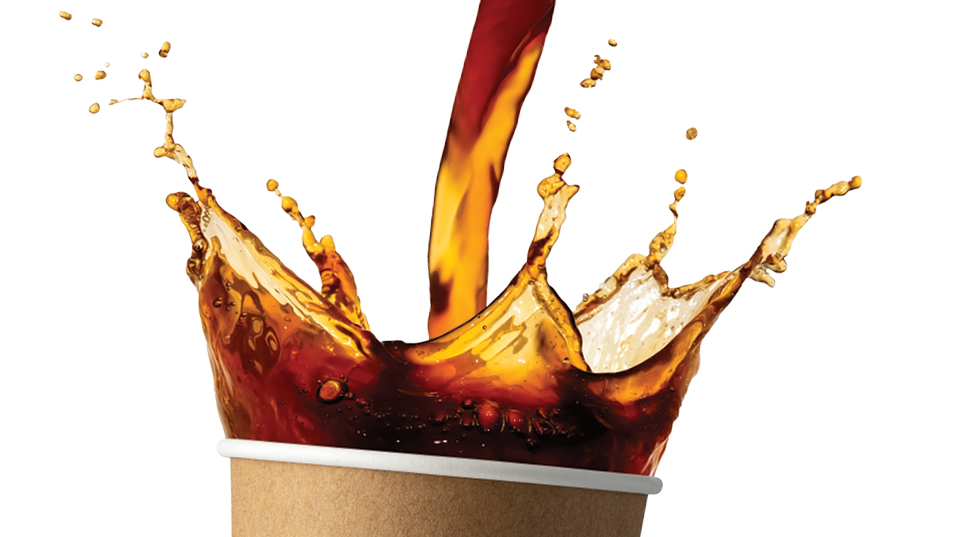
Convenience retailers with robust beverage bar sales can thank Dixie Cup for their good fortune. The Dixie Cup Company introduced the paper cup in 1907 in response to public health concerns over shared drinking implements, and that simple innovation paved the way for today’s portable beverage lifestyle. “Coffee-to-go” was born in 1964 when a Long Island 7-Eleven store began selling paper cups of java.
Almost 120 years after Dixie’s original invention, millions of consumers each day reach for a convenient cup to take their favorite drinks with them. What those shoppers put into their cups has also changed dramatically.
“C-store coffee bars have come a long way,” said Emily Wood Bowron Forehand, senior vice president at Red Diamond Coffee & Tea. “A significant percentage of consumers view convenience store coffee as high quality.”
According to the 2025 NACS State of the Industry Report®, hot dispensed beverages accounted for 8.5% of foodservice sales, remaining flat year over year, while seeing a 5.4% dip in gross profits.
Mix and Matcha
A 2025 McKinsey and Company study found that consumers, especially Millennials and Gen Z, believe the right foods and beverages act as preventive medicine. Some reject chemicals, sugars, artificial colors and flavors and instead seek out functional ingredients.
Matcha began appearing on coffee shop menus around 2019. Starbucks, Dunkin’, Dutch Bros and Peet’s have offered drinks featuring the strong, earthy tasting powder that contains numerous antioxidants. Matcha can be consumed hot or cold, unsweetened or blended with various flavors and sweeteners. But not all matcha teas are the same.
Expensive ceremonial-grade matcha is considered the highest quality version and is meant to be consumed only as a beverage. Less pricey culinary grade matcha is used in baking, as well as for whipping up drinks. While some baristas follow tradition, others insist that the culinary grade product is more than adequate for concocting a healthy pick-me-up.
Wawa currently offers 12-ounce matcha drinks in vanilla, mint and chai flavors, starting at $4-plus, with upcharges for add-ins, such as almond milk or oat milk. Some independent coffee shops charge as much as $8 for similar matcha creations.
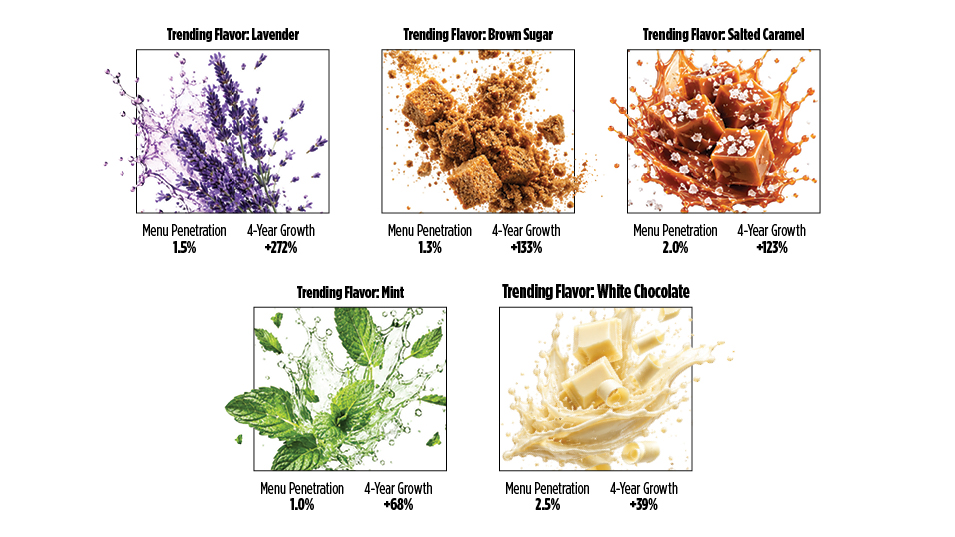
White Bison Coffee shops are often found inside or next to Twice Daily convenience stores. Both businesses are owned by Tri Star Energy of Nashville, which is keen on providing customers with unique LTOs and healthy beverage options. This spring, White Bison offered two matcha limited-time offers: Brown Sugar Cold Foam Matcha, which combined sweet brown sugar with the creaminess of cold foam, and a cold, sweet-tasting Matcha Frappe.
Protein Power
Protein has also become a top dietary priority. Cargill Inc. reported that in 2024, 61% of U.S. consumers said they increased their protein intake, compared to 48% in 2019.
Most protein that Americans consume comes from traditional sources. But in a Numerator survey published last year, 29% of respondents recognized ready-to-drink protein shakes as a viable protein source. That’s not news to Beverage Marketing Corporation, which notes that the consumption of RTD protein beverages jumped 11.5% in 2024.
Last fall, Starbucks introduced protein lattes and protein cold foam to the chain’s permanent menu throughout the U.S. and Canada. This year, the coffeehouse brand rolled out RTD Starbucks Coffee & Protein, which are available in grocery and convenience stores. Each 12-ounce bottle contains 22 grams of protein, along with assorted vitamins and five grams of probiotic fiber.
Currently, RTDs are the most practical way to sell protein coffee in c-stores. “The challenge is to offer the right product mix, a rich storyline and personalization options without a barista,” Forehand said.
Customization Continues
Despite all the new beverages with diverse flavors hitting the market, c-store shoppers still want to customize their own drinks (and post photographs of them on Instagram).
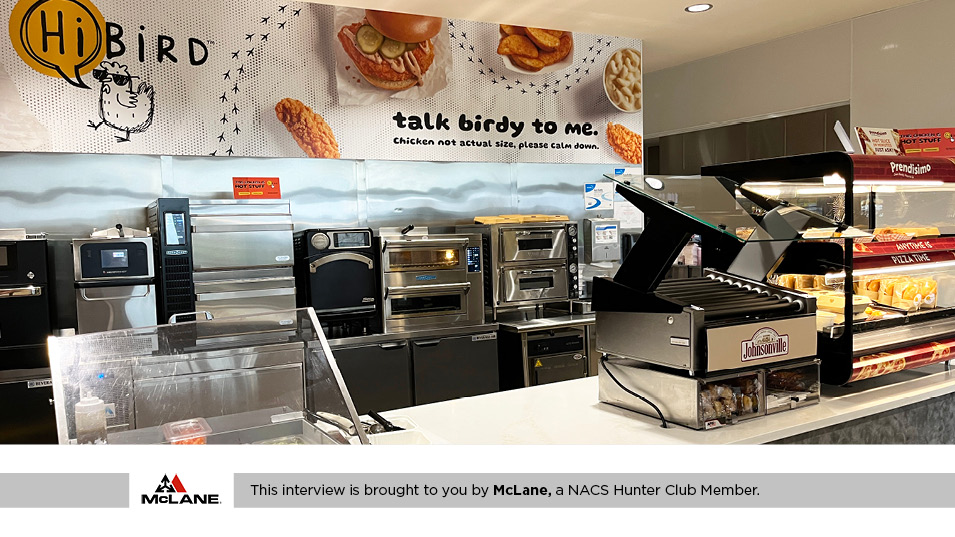
According to supply chain services provider The McLane Company, the global cold brew coffee market is currently valued at $1.2 billion and is projected to reach $4.2 billion by 2028. That’s why McLane created its turnkey CupZa! beverage program for convenience stores and offers SHOTT, a shelf-stable line of flavor concentrates customers can use to enhance hot and cold beverages.
“Customization will continue in 2027, 2028 and beyond,” said Javier Carro, senior product manager for coffee and beverages at McLane. “The young generations want innovation in cold drinks, and they want to mix assorted flavors with cold coffee. That’s what drives the coffee shops, and the same thing is happening with convenience stores.”
“Convenience shoppers increasingly expect premium coffee beverages like lattes, cappuccinos and mochas, but delivered in a way that fits a fast, self-serve or automated environment,” said Joe Gaines, senior director of U.S. sales at Costa Coffee, which is owned by The Coca-Cola Company. “We’re seeing a strong demand for espresso-based beverages, alongside options that allow consumers to tailor their drinks, from milk choices to flavor add-ins, without adding friction to the experience.”
LTOs Are Mandatory
At Circle K, management carefully plans attractive LTOs and seasonal flavors to keep the coffee bar fresh and relevant. “These offers help us deliver the unique experiences our customers expect when they visit our stores,” said Shawn Barnes, head of dispensed beverages for Circle K in North America. “For example, seasonal favorites like pumpkin spice and peppermint are flavor profiles our customers look forward to. And earlier this year, we partnered with Turtles Chocolate to launch a limited-time Turtles Hot Cocoa nationwide in the U.S. at our coffee bar.”
LTOs are especially effective when they balance familiarity with a slight twist, such as seasonal flavors or variations on classic drinks, according to Gaines. “In convenience retail, where decisions are often made quickly, recognizable flavors tend to perform best,” he said. “This spring and summer we’re returning with one of our most popular flavors: pistachio. It has a light, tangy flavor with the earthy, nutty tones that consumers love.”
McLane’s CupZa! will release several LTOs this year, including a Hershey’s Creamy Cold Brew and a few sweet tea options. SHOTT flavor concentrates also will receive some unique add-ins. “We have a passion fruit LTO, pumpkin spice LTO and a gingerbread LTO for the end of the year,” Carro said. “We’re always looking for innovation and something new to keep the category fresh. Our CupZa! mantra is ‘customization, innovation, and quality.’ Those are the kinds of things that drive our program.”
“Ultimately, scarcity drives engagement,” said Forehand, “and LTOs offer a sense of urgency and excitement that drives traffic and repeat visits.”
Beverage Program Upgrades
Improved technology in the brewing business has inspired several major retailers to upgrade their coffee programs. The goal is to give customers a superior beverage experience while helping the store team accomplish more in less time.
7-Eleven’s Coffee of the Future (COFU) machine is how the chain is reimagining the self-serve beverage experience. According to a 7-Eleven spokesperson, “COFU supports a consistent coffee experience while streamlining operations. It offers hot and cold brew, specialty espresso beverages, multiple milk and syrup options, automated cleaning and multiple pickup points for faster service.”
Designed to automate and simplify beverage preparation, COFU is currently being tested in a limited number of stores as part of a broader set of equipment solutions the chain is evaluating.
Circle K continually reviews ways to tailor and broaden the coffee bar to ensure café-quality beverages. “Globally, we are making significant investments in our coffee equipment and ingredients, including beans, to support reliability and a consistent, great-tasting beverage,” Barnes said. “We evaluate enhancements through the lens of taste, safety, operational execution and consistency.”
QuikTrip recently upgraded store beverage bars with proprietary equipment that grinds coffee beans in-store and dispenses an assortment of drinks, including cold brew, hot chocolate and both hot and cold flavored lattes. QT’s new tea machine, which brews different teas at appropriate temperatures to ensure the best flavor, received the 2025 Kitchen Innovations award from the National Restaurant Association.
Casey’s surveyed customers and discovered that they wanted more variety from the chain’s coffee service. After dedicating months to developing a new program, Casey’s unveiled its Darn Good Coffee in almost 3,000 outlets.
“Looking ahead to 2026, we expect c-store coffee programs to continue closing the gap with traditional coffeehouses, particularly in quality, consistency and menu variety. However, the approach will remain distinct,” said Gaines.
“C-stores are less focused on highly experimental beverages and more focused on delivering trusted, recognizable drinks at scale,” he said. “While coffeehouses may lead with niche or novelty items like bone broth coffee or coffee with lemonade, c-store operators are prioritizing offerings that have broad appeal and can be executed consistently across locations.”
Innovation and creativity are essential in today’s competitive c-store beverage environment, but a program can’t succeed on trends alone. The experts agree that beverage bar success begins with the basics.
“The key to a successful coffee program means starting with great coffee,” said Forehand. “Then, operators can capitalize on the trends that are most relevant to their customers in a streamlined, efficient manner.”