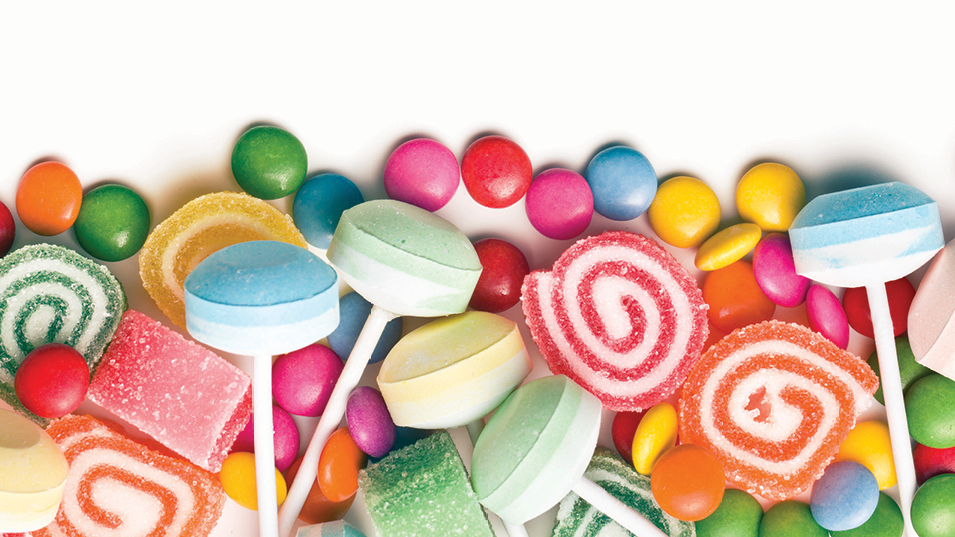
Despite some major headwinds, the candy category remained mostly resilient in 2025 with overall convenience store sales largely consistent with those of 2024. Product innovation, aggressive promotions and consumers’ continued cravings for sweet indulgences helped drive sales of candy—a top 10 in-store category—at a time when inflation and rising emphasis on healthy eating were top of mind.
With those conditions still persisting in the first half of 2026, retailers are cautiously optimistic that candy will remain stable. The category remains key to impulse and incremental sales that build baskets.
“In 2025, the candy category in convenience stores showed resilience amid continued channel shifting and inflation-driven pressure on trips,” said Beau White, vice president of convenience stores and out of home at Ferrara. “While overall traffic remained challenged, candy delivered steady performance, with innovation and merchandising quality playing an outsized role. Bold flavors, unique textures and differentiated formats helped convert fewer trips into meaningful purchases.”
Across all outlets, including e-commerce and vending, confectionery sales reached $55 billion in 2025, according to the National Confectioners Association. C-stores hold nearly 16% share of candy category sales by channel.
Innovation Sparks Curiosity
“The candy category had a lot of big viral moments in 2025 between freeze-dried candy and Dubai chocolate,” said Hailey Miller, snacks and candy category manager at RaceTrac. “Consumption was rooted in both satisfying cravings for nostalgic flavors and seeking out something exciting and new.” She also pointed to the roles that innovation and social media buzz played in building consumer interest in some products.
Flavor and texture innovation have been big levers employed by candy
marketers of late. “The more intense the flavor, the better,” said Miller, pointing to confections that are both sweet and spicy, “10 times sourer,” or with maximized fillings, such as caramel. Coupled with social media popularity, innovative candy products “kept the consumer curious and coming back,” Miller continued.
Candy marketers said that with category sales so impulse driven, constant innovation is a necessity. “Innovation plays an important role in keeping the category fresh, particularly when it introduces new textures and interactive experiences,” remarked Nik Culver, category management director for c-stores at The Hershey Company. The company’s recently-introduced Reese’s Oreo Cups, for example, have received a strong response from consumers and demonstrates how “chocolate continues to evolve through texture and indulgence while staying rooted in formats and brands that shoppers know,” he said.
Mondelēz has also been immersed in a wave of innovation for its confectionery products, such as the launch of Sour Patch Kids and Swedish Fish Glow Ups, which the company said are the first gummy candies that glow under a black light, thanks to turmeric extract.
“Non-chocolate candy trends are heavily shaped by social media and what young people prefer,” explained Chantal Butler, category president, confectionary, at Mondelēz North America. As such, among the new innovations for the Sour Patch Kids franchise are Sour Patch Kids Chews, sweet candies on the outside and sour on the inside, with a soft, chewy texture; Sour Patch Kids Besties, four Sour Patch Kids linked together; and Sour Patch Kids MVP Mix, a bag filled with many popular flavors, inspired by the “candy salad” trend seen on social media.
Freeze-dried candy expressions continue to find favor with consumers. New entries include M&M’s Pop’d Caramel from Mars North America and a new line of freeze-dried candy from Ferrara, featuring the Lemonhead, SweeTarts and Spree brands. Ferrara has also expanded its popular Nerds Gummy Clusters franchise with Nerds Juicy Gummy Clusters.
Cocoa Crunch
While much of the excitement and innovation in candy is occurring in the non-chocolate segment, chocolate remains the No. 1 subcategory in c-stores, accounting for 34.5% of category sales, according to the NACS State of the Industry Report® of 2025 Data. In overall Circana-measured outlets, dollar sales of chocolate jumped nearly 7% in 2025, while unit sales fell 1.5%, largely a result of spiraling cocoa costs.
Convenience retailers reported pushback from customers on higher chocolate prices. “The chocolate segment is being hit hard by inflation,” said RaceTrac’s Miller. “King-size bars are cents away from breaking $4, which is more expensive than a 20-ounce beverage. Wallet pressure is real.” At Greg’s Market, with two locations in West Virginia, owner Greg Cassis noted that he has stopped stocking standard-size chocolate bars in favor of king-size bars at $3.69 each. “The standard bars kept shrinking in size and customers complained,” he explained.
Candy marketers concede that higher chocolate prices are having an impact on category trends and sales but emphasize that the subcategory plays a vital role in c-stores. “Chocolate remains a core driver of the candy category in convenience, led by trusted brands and familiar single-serve formats,” that are often purchased at checkout, said Culver. Indeed, some brands remain healthy. Ferrero North America’s mainstream chocolate portfolio grew 4% last year, according to Marissa Hertzig, category management director, “driven by trusted brands and a strong innovation pipeline.” In particular, Butterfinger Salted Caramel drove 30% volume growth, she noted.
Similarly, innovation at Mars is “driving purchase intent” for its leading brands, according to Jim Dodge, vice president, convenience, specialty, and unattended retail. The Snickers franchise, for example, recently introduced Snickers Pecan, while Snickers Xtreme, “a fan favorite for the ultimate peanut lover,” made a return. And Milky Way now offers Milky Way All Caramel.
Bagged or peg candy has been gaining share in recent years. Growth is coming from innovation in the non-chocolate space, including multitextured offerings and flavor combinations, Emma Tainter, NACS research analyst, remarked, as well as the expansion by many convenience retailers into private-label candy. “Pegged candy continues to be a high-performing format, especially when supported by shopper-informed merchandising that improves visibility and shopability,” Ferrara’s White said. At Greg’s Market, pegged candy is the best performing segment, Cassis reported. In fact, earlier this year, he expanded his selection of bagged gummies, including Sour Patch Kids and Swedish Fish, to make room for a growing crop of new flavors.
Targeting Youths
Non-chocolate candy skews toward younger consumers and, therefore, is a critical loyalty-building segment for c-stores. “Gen Z shoppers are especially enthusiastic about textural snacking and playful formats,” said Dodge, “a trend that is informing our strategy as we lean into freeze-dried and gummy formats.” According to Culver, gummies and chewy formats have led the subcategory in recent years, buttressed by brands with unique textures, such as Hershey’s Jolly Rancher Ropes.
Among other candy subcategories, trends have been relatively stable, marketers and retailers said. “Mints in c-stores have remained steady, delivering small but stable growth,” commented Hertzig from Ferrero, the marketer of Tic Tac. “While innovation has been light and average items are flat, the category is experiencing growth from price.”
Gum, meanwhile, continues to be shaped by quick trips and fast decisions, Culver noted. At RaceTrac, gum is one of the strongest candy performers, Miller said. “New pack sizes on core flavors and brands supported on-the-go consumption within the gum segment,” last year, she explained.
Change makers—while a tiny subcategory—remain a contributor to overall candy sales. Cassis leverages the opportunity, merchandising products like Reese’s Peanut Butter Cups and York Peppermint Patties (2 for $1) in baskets at the checkout counter. “Change makers still sell well for when customers want just a little bite of something sweet,” the retailer remarked.
'Mindful Indulgence'
The biggest challenge facing c-store operators related to the candy category today is inflation. “Rising costs have put a lot of constraint on consumers’ wallets, turning a once-impulsive purchase tied to a ‘nice to have, not a need to have’ category, into a true contemplative consideration,” said Miller. “If we don’t start to explore price-point friendly pack sizes or offers, we’re going to continue to see declines amid segmented spending pressures.”
Michelle Jackson, manager of Ready Mart in Asheboro, North Carolina, said her biggest challenge with candy is product proliferation. “With so many options and new products, I’m sometimes concerned that if sales don’t meet expectations, I’ll be left with candy that I’ll have to discount and lose margin on,” she explained.
Rising consumer awareness on health and wellness is also impacting consumer candy-buying behavior. “Customers are reading the labels more, checking for carbs and sugar content,” reported Jackson. But others say c-stores have been somewhat immune to healthier eating practices. “We hear a lot about people wanting healthy snacks when they shop c-stores, but they still buy the chocolate bar,” remarked Tainter. “It seems to be what they crave.”
Marketers are well aware of health and wellness behavior but believe that candy can coexist in that environment. “Health and wellness are raising expectations, not killing demand,” said Hertzig, noting that “mindful indulgence” is on the rise. “Eighty-two percent of consumers believe it’s perfectly fine to occasionally have a piece of chocolate or candy.” Ferrero and other candy suppliers now offer smaller package sizes for those occasions, including individually wrapped chocolates.
Conditions that adversely impacted the candy category in c-stores in 2025 remain in 2026. “I expect it to continue to be a challenge that requires more strategic planning than ever before,” remarked RaceTrac’s Miller. “We’ll have to be creative when it comes to driving volume and protecting margin.”
But Hershey’s Culver has a “glass-half-full” perspective. “Even as shoppers face continued macro pressure, they’re still treating,” he remarked. “The biggest opportunity for candy in c-stores is continuing to win as a discovery and trial destination. Convenience is often where shoppers encounter what’s new first, making it a natural launchpad for culturally relevant innovation.”