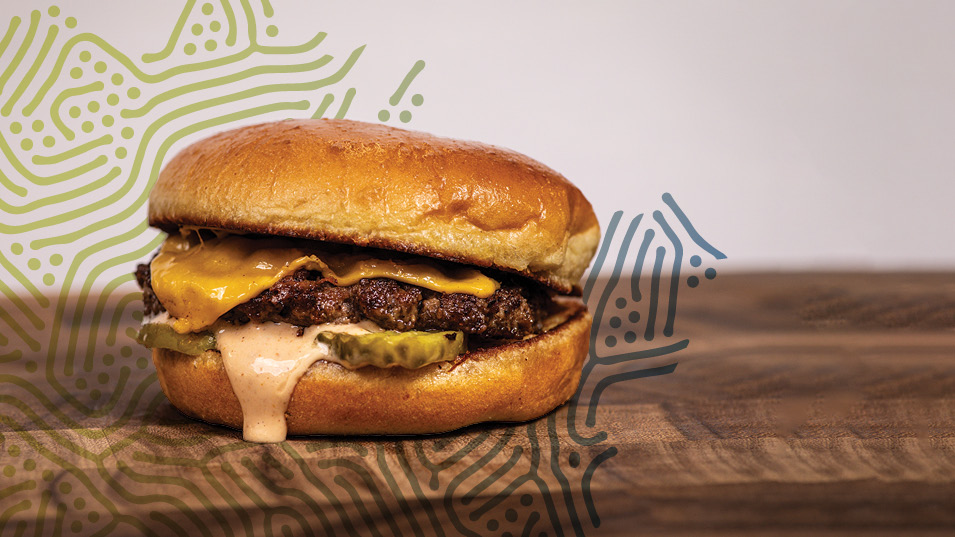
It’s hard to think of a more crowd-pleasing meal than the American hamburger.
“Burgers continue to be one of the strongest-performing foodservice categories in convenience retail because they check all the boxes customers are looking for today. They’re familiar, craveable, portable and offer strong value,” said Farley Kaiser, vice president of retail foodservice for wholesaler McLane Co.
Burgers are also very adaptable, said Lizzy Freier, senior director of menu research and insights for market research company Technomic. “Even if you’re an operator who doesn’t specialize in burgers, there are always ways to make a burger align with your specific menu and positioning,” she said.
“Burgers are a great item to offer, and if you want to be taken seriously for your food, you need to have them to compete against chains like McDonald’s or Five Guys,” said Micah Rupprecht, director of category management for foodservice for Kwik Trip, La Crosse, Wisconsin.
“When we first got into food in the early 2000s, burgers were one of the first things we put on our menu because of the ease of operation and the adaptability,” Rupprecht said. “And they’re easy for customers to eat when they’re driving.”
Keeping It Simple
Burgers are simple to execute “because they’re consistent and easy to cook and assemble,” Rupprecht said.
Execution is an important part of any foodservice strategy, and it’s the key to the success of Bobby’s Burgers, a 12-unit fast casual that began in 2021 and now has units in airports and casinos.
Founded by celebrity chef Bobby Flay, the restaurant offers only seven kinds of burgers, plus fries and milkshakes. But that’s key, said Patric Knapp, vice president of operations. The brand wanted to feature only items that truly belong on its menu.
Having a simple offering helps build and scale the brand efficiently and effectively, and the concept doesn’t need to be everything to everybody. It’s best, he said to “focus on what we want to do and do it well.”
Having a simple menu means employees can memorize each burger and the order in which its ingredients are assembled. It also reduces the number of items to be purchased and stored. That means the restaurants use ingredients quickly, so they’re always fresh.
“Items go into multiple recipes, multiple builds, so you don’t have one item that’s specialized,” Knapp said.
Serving Up Value
Offering a good value has always been a mainstay of successful foodservice programs. In the past few years, such items have been pushing new or limited-time offers (LTOs) down the list of retailer priorities.
“Value or discount offerings have steadily increased every year since [2023], and innovation has been trailing off,” said Freier.
Weigel’s, based in Powell, Tennessee, sells a value burger ($2.99) out of its grab-and-go case. The retailer uses a frozen precooked patty, “and we sell a ton because of the price on them,” said Ryan Blevins, director of food and beverage innovation.
Checkers and Rally’s is known for its burgers, and the QSR is leaning into value. It offers $5 value meals with a burger, fries and beverage, with a choice of two burgers (mushroom Swiss burger or cheese double). It also offers “Choose Two and Save,” with a choice of burgers and other sandwiches.
But it’s not only about value, said Marc Warsetsky, senior director of culinary innovation for Checkers and Rally’s. Lots of customers come to the restaurants for an indulgent meal, so it’s important to have attractive offers at both ends of the menu.
Kwik Trip offers a variety of burgers and makes use of daily specials. Mondays feature a quarter-pound bacon cheeseburger, mushroom Swiss burger or quarter-pound cheeseburger on a pretzel bun for $3.89; on Wednesdays, a cheeseburger is $1.99; and on Thursdays, a quarter-pound cheeseburger is $3.69.
This summer, Huck’s Market, based in Carmi, Illinois, capitalized on value by offering a free burger to its loyalty members. The 136-store retailer introduced the Knuckle Sandwich (a double bacon cheeseburger) on July 1, and “redemption was huge,” said Dave Grimes, vice president of foodservice.
“It’s an $8 ring, so pretty expensive, but in terms of getting new customers, they can just sign up for the loyalty program to get a free burger,” said Grimes. “Sometimes we throw something crazy out there.”
Creating Excitement
Weigel’s last year introduced a $6 smashburger (made with 85% lean beef), a fresh, never-frozen product that’s cooked to order, and it’s doing well, the company reports.
“We see it as a statement of quality, a differentiator,” said Blevins. “There’s no other c-store in our market doing a smashburger or a made-to-order burger.” The smashburger helps Weigel’s compete directly with nearby QSRs.
To test the smashburger, Weigel’s ran a pilot at three stores, and it’s been rolled out to five. All new stores will have the equipment to make them. The busiest smashburger location sells 75 to 80 per day.
The smashburger, said Blevins, “is a fun platform to showcase quality and to have fun with burgers.” He launched the burger program with four smashburgers, including the W Burger (patty, cheese, signature sauce, pickle) and a breakfast burger with an egg. The signature sauce is a Thousand Island dressing that Weigel’s calls W Sauce.
And there’s more to come. Seven or eight variations that haven’t rolled out yet will be a bit more adventurous. “We’re using unique, high-quality ingredients and unexpected combinations, blending flavors customers already know and enjoy but may not have experienced on a burger before,” Blevins said.
He’s also planning to offer the smashburger “chopped.” “We would chop the burger and its toppings together on the griddle, similar to a chopped cheese (a New York hoagie sandwich), then serve it on a hoagie roll with lettuce, tomato, mayonnaise and ketchup,” he said. “It gives customers another fun, customizable way to experience the smashburger menu.”
While the smashburgers are doing well, he said, they’re only about 30% of Weigel’s burger sales because “most of our food is grab-and-go, and our customers are trained for that.”
Once ordered, the smashburger takes five to eight minutes to cook, so it’s for the customer who’s willing to wait, Blevins said, which on other days could be the same customer who wants the value burger. “But if you’re willing to pause for a minute, it’s a great burger,” he said.
Both burgers have strong margins, “but you’re taking more dollars to the bank with the smashburger,” said Blevins.
Amanda and Jimmie Mire in 2013 took over Mire’s Grocery, a convenience store in Vatican, Louisiana. Burgers have been the best-selling prepared food since day one.
The store sells around 450 burgers a week. Each one is made from scratch, from pork and beef, with a signature blend of seasonings. “We grind the burgers fresh daily and hand-pat them,” said Amanda Mire.
The store creates excitement every weekend with a special barbecue burger with homemade sauce. It sells so many of these that some are cooked in advance. During the week, burgers are made to order and take 10 to 15 minutes.
Specialty burgers during the week are also popular. They include the Cowboy burger (pepper jack cheese, Mire’s homemade barbecue sauce, bacon, two fried onion rings); the Classic Western burger (grilled onions, pepper jack and bacon); and a chicken burger. Mire’s grinds up chicken thighs with seasonings, then pats the meat into half-pound burgers. They’re served with bacon, pepper jack and ranch dressing, and 10 or 12 are sold per day.
Making It Your Own
Mire’s Grocery has a slew of sides to go with its burgers. While regular fries with a signature seasoning are the best seller, onion rings, fried jalapenos and fried mushrooms are also popular. “If we can fry it, we’ll fry it for them,” said Amanda Mire.
Huck’s burgers are all grab-and-go, with simply the burger and cheese on a bun. “If you start putting condiments and vegetables on it, you don’t have any hold time because it all soaks into the bun,” said Grimes. Customers can add their own sauces or can ask foodservice staff to add lettuce, tomato and onion.
Kwik Trip sells its burgers untopped from a hot holding case (after they’re cooked in a highspeed oven) and has a self-serve condiment bar. The most popular toppings are the basics: pickles, lettuce, tomato, mayo and ketchup. Customers can see the condiment bar from the entrance, which shows their meal will be quick. “We like to say we’re the fastest lunch option around,” said Rupprecht.
Knapp would prefer that customers at Bobby’s Burgers order the burgers exactly as they are on the menu “because Bobby [Flay] understands flavors and textures. We always hope guests try them the way Bobby intended them,” he said. However, “there is a good amount of customization on our menu, and it tends to be more customers subtracting ingredients than adding them.”
Customization continues to be a major trend, said Farley of McLane. Along with traditional toppings—lettuce, tomato, onion, pickles, bacon and American cheese—customers increasingly want premium toppings such as avocado, fried eggs and caramelized onions. This reflects a desire for burgers “that feel both familiar and a little elevated,” she said.
Serving Up LTOs
LTOs work well for Bobby’s Burgers. “If people see things they don’t expect on a burger, it might activate them to come in, and then they turn into a repeat guest,” Knapp said.
Bobby’s Burgers offers four burger LTOs a year, accompanied by a milkshake LTO, timed with the seasons. This past summer, it served a Greektown burger with Greek yogurt dressing, feta, and tomato-cucumber relish, which leaned a little more healthful and was “fresh and focused for the summer,” he said. This fall, there’ll be a wild mushroom bacon burger with cremini mushrooms cooked with garlic and butter, a red wine barbecue sauce, American cheese and bacon, which is “a bit more indulgent and a bit more hearty for the fall.”
Checkers and Rally’s runs five or six LTOs a year. “That’s where we can be innovative and bring out a new bold or exciting sauce, topping or even a new bread carrier,” said Warsetsky. “That drives a lot of interest with guests.”
And while the brand sends information to loyalty members, it also gets the word out with social media campaigns and TV campaigns. “We like to hit multiple streams,” Warsetsky said.
“We want to bring in a broader audience and give people a reason to come in.”
Technomic sees operators using LTOs for different reasons: for novelty, to create a buzz and drive traffic and sales; to test social media trends; or to test ingredients and flavor profiles, said Freier.
Equipping for the Task
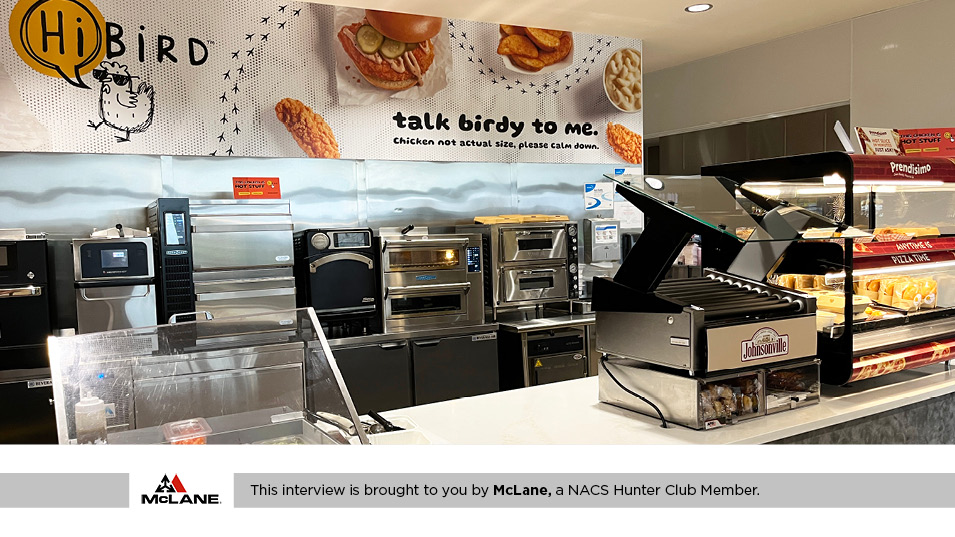
The only equipment Weigel’s needs for its burger programs are high-speed ovens and a hot holding cabinet for the grab-and-go burgers, and a flat-top griddle for the smashburgers. Underneath the griddle is a refrigerated space to hold the uncooked burgers, cheese, eggs and other ingredients, “so when you’re standing in front of the griddle, you don’t have to reach. You’re self-contained, and it’s easier for the chef,” Blevins said.
The flat-tops were the impetus for launching the smashburger program, he said. Several stores had them, but they were underused. To make a smashburger, which comes as a 3.5-ounce puck, Weigel’s chefs put it on the grill and—well, they smash it. “We like it as thin and as wide as possible so it has those side crunchy bits and it looks good on a brioche bun,” said Blevins.
Bobby’s Burgers uses a clamshell grill and a fryer that filters its own oil, which was a key selling point, Knapp said. If oil isn’t filtered, it degrades and adds an unpleasant flavor to foods, including fries.
The fryer Bobby’s uses monitors oil quality and lets employees know when it’s time to press a button and start the filtering process, which takes around five minutes, including bringing the oil back up to temperature. Because the restaurants have quad fryers, only one is ever down at a time, so service is not slowed.
When oil is regularly filtered, it extends the life of the oil and the fryer, which can lead to significant savings, said Knapp.
Checkers and Rally’s cooks its burgers on a flat-top grill, “which sears in that flavor,” Warsetsky said. Signature seasoning is added onto the burgers before grilling them. Some of the grills have a refrigerated area underneath; others have it in a line leading toward the guest, so once the burger is off the grill, employees add the bun and toppings. “This is important for executional efficiency so we can get the burgers out hot and fresh to our guests,” Warsetsky said.