This article is brought to you by Krispy Krunchy Chicken.
For convenience retailers, foodservice represents a significant opportunity to grow sales and profitability. In 2025, monthly foodservice sales accounted for 28.0% of in-store sales and generated $36,117 in gross profit per store, per month, according to the NACS State of the Industry Report® of 2025 Data. The category has the potential to drive dedicated trips, increase basket size and create stronger customer loyalty.
But launching a program is only the beginning of tapping into the category’s profit potential. According to Dave Yarbrough, key account manager at Krispy Krunchy Chicken®, the operators who achieve long-term success continually refine their programs, understand their numbers and create a culture that supports consistent execution.
Finding the Right Partner
Some operators hesitate to add foodservice because they already have a lot on their plates. Between juggling tight staffing schedules, operational complexity across the business, space constraints and other day-to-day demands, adding prepared food can feel like one more thing to manage. But finding the right partner can help ease the operational burden of implementing foodservice.
To get a foodservice program up and running, Yarbrough said Krispy Krunchy works with operators to tailor menus, product assortments, equipment and program scope to each location and its needs.
“Foodservice success isn’t about building the perfect program on day one. It’s about finding a model that is simple to execute, supported by ongoing training and designed to adapt to the realities of the store,” said Yarbrough. “Our business model is closely aligned with providing a very high level of ongoing support to our operators. We want to make sure they’re maximizing their sales, increasing profit and doing it in a way that makes it a seamless part of their operation.”
One of the first ways it does that is through training. High turnover and staffing constraints are a reality in convenience, so fast onboarding is critical. “If it takes more than a few days to get your team up to speed on how to implement and execute the program, the program has become too complicated,” Yarbrough added.
Krispy Krunchy remains involved in the training process well past opening day. The team spends a full week on-site during opening, then returns regularly for coaching and store visits, and offers retraining sessions when employee turnover occurs. “We come back and follow up on a regular basis, typically monthly,” continued Yarbrough. “When a store gets new staff members, we can come in and host a retraining to keep the store on track and level set with the team.”
Always Be Optimizing
Successful foodservice programs are built on more than expansion alone—they depend on continuous improvement, refinement and optimization.
Yarbrough said one of the biggest mistakes operators make is assuming that growth comes from adding more to their programs. In his experience, the opposite is true: Well-executed fundamentals drive growth.
“Streamlining the menu is a great example of this. The Krispy Krunchy menu has been pared back to focus on the items that provide the most profitability and the highest desirability,” Yarbrough said. “And you also don’t want to tie up the kitchen staff’s time with ancillary items that might not be major contributors to the overall gross profit.”
Another key to running a successful foodservice program is to treat it like a business within the business. Yarbrough said operators should have a firm understanding of sales, margins and profitability metrics to maximize results.
“Oftentimes, we’ll visit stores and ask those questions, and operators may not know exactly where they stand on sales and profitability. As the saying goes, ‘If you don’t measure it, you can’t manage it,’” Yarbrough said.
Monitoring key metrics such as food costs, waste and sales performance can help operators identify areas for improvement. “Our support teams help operators dig into these metrics, understand them and then provide feedback and guidance on how to optimize their program and maximize sales.”
This process reveals the small details that matter and how much of a difference they can make. “It may seem insignificant, but something as simple as giving away a dipping cup can result in a 5%+ loss in gross profit on a particular menu item,” said Yarbrough. “We identify these issues through regular store visits and sales/inventory analysis, helping correct ‘little’ mistakes before they become huge losses over time.”
Today’s Effort, Tomorrow’s Sales
Consumers today have more meal options than ever, so grocery stores, quick-service restaurants and delivery services are all competing for food dollars.
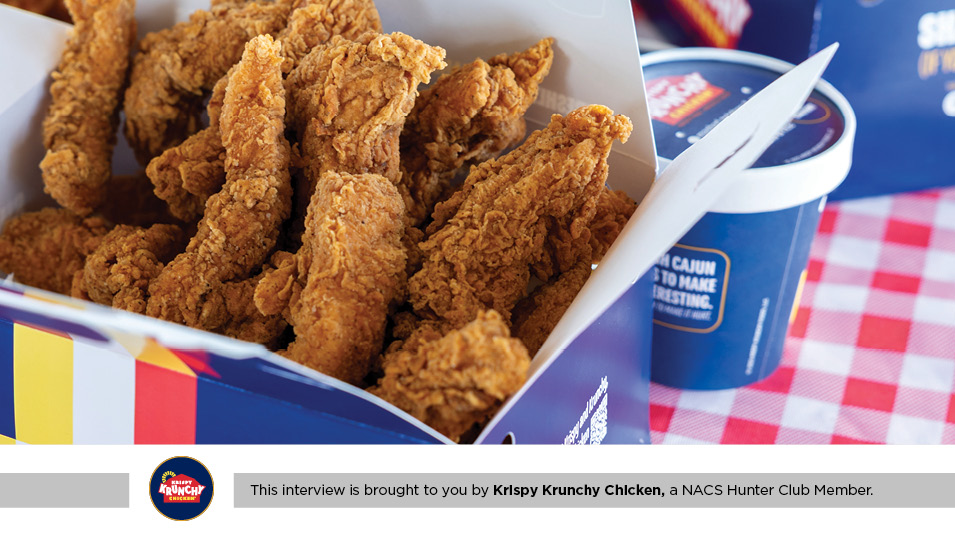
According to the 2025 NACS Convenience Voices study, 33.7% of consumers who planned to buy food elsewhere within 30 minutes of their visit (known as foodservice leakage) said they did so because the store did not offer the item they wanted. Nationally, 21.4% of foodservice leakage last year was to fried chicken, creating an opportunity for convenience retailers to recapture those sales.
Retailers that can capture this segment of consumers through their foodservice program can build baskets and attract new customers to the store. All of that leads to increased sales and profit for operators.
“Keeping an eye on your financials is important, but you’d better keep a closer eye on your hot food case(s) if you want those numbers to look good. Keep it full, fresh, and sparkling clean. We like to say, “If it looks great, they’ll buy. If it tastes great, they’ll keep coming back for more.”
Customers also need confidence that they’ll receive the same experience every time they visit the store, said Yarbrough. He believes that starts with people. “Beyond well-executed operations, employee engagement plays a critical role in sustained foodservice success,” he said. Employees are more likely to make sound decisions when they understand how their actions affect performance.
“We empower employees and help them understand how the business works. In sports, you always have a scoreboard. You train your team how to play the game correctly so they’re competent on the field, incentivize top performance and you always keep score. Otherwise, it’s just practice,” Yarbrough continued.
“The same approach applies to the foodservice business. We help our store operators train and coach their teams so they understand how the program works and how their decisions impact the business. We also encourage store leaders to post results against their goals so the team always knows whether they’re winning or losing. This is a proven strategy that drives employee engagement.”
Krispy Krunchy is the coach focused on helping its operators win. The goal is not simply to ensure procedures are followed, but to help retailers continuously improve their programs, sales and business.
“Some foodservice models might have someone come in once a quarter to conduct a compliance audit,” Yarbrough said. “Our goal is to be much more focused on coaching, collaboration and what it will take to build the business together.”
For retailers looking to take foodservice to the next level, the path to growth doesn’t require dramatic changes, said Yarbrough. More often, it comes from continuously improving the fundamentals: understanding profitability, merchandising products effectively, engaging employees, maintaining consistent execution and partnering with organizations that provide ongoing support.
According to Yarbrough, the retailers that approach foodservice as a long-term growth strategy rather than a one-time installation are best positioned to increase traffic, improve margins and create a sustainable competitive advantage.