This is the final article in a five-part series that began in the April 2026 issue of NACS Magazine with a look at what consumers think about—and expect from—convenience stores.
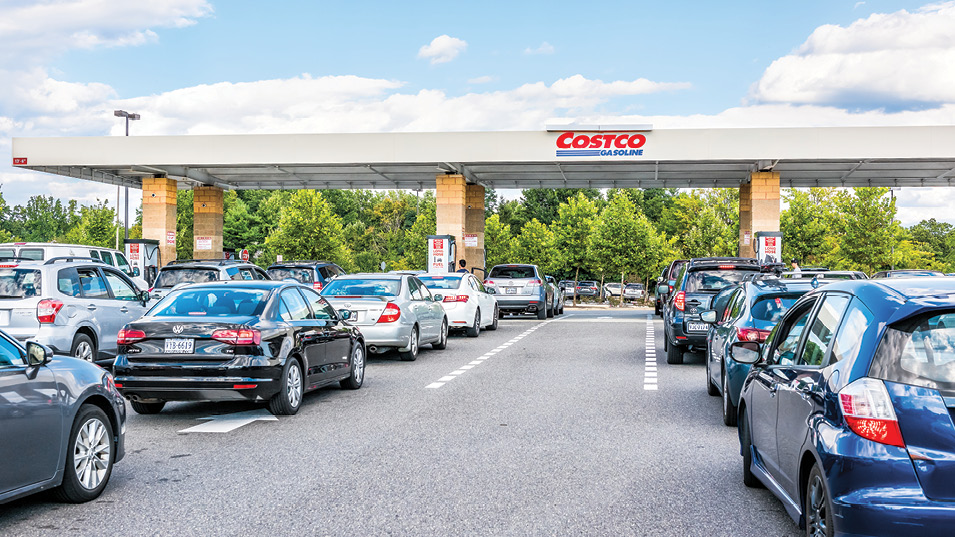
Compared with other channels, convenience stores have two long-standing advantages: They are never more than a few minutes away, and they are fast.
In terms of proximity, 93% of Americans say they live within 10 minutes of a convenience store. There are 151,975 convenience stores in the United States, which equates to one store for every 2,230 people.
Let’s put that store count in perspective. Despite a slight decline in 2026, the U.S. c-store count is still more than the combined total of all U.S. grocery stores (43,692 stores), drug stores (38,514) and dollar stores (39,003), plus McDonald’s (13,814) and Starbucks (16,864).
Speed of service is also well documented. A NACS Speed Metrics Study found that the average time from when someone left their car to when they got back into their car was three minutes and 33 seconds—essentially the length of a song.
More recent NACS studies have found that most transactions still take less than four minutes, even considering the growth of foodservice and extended prep times.
Customer experience is a bit harder to define. After all, how do you put metrics around a vibe? We looked at two factors related to experience that consumers say are important: Using a convenience store as a place to relax for a few minutes and interacting with store employees.
The Decompression Zone
Many retail locations, notably Starbucks, have touted their locations as “third places”—spots where you can relax that are not work or home. With robust foodservice offers, many c-stores also serve as that third place for customers who are not in a rush.
But for the many customers who are in a rush, c-stores serve a different purpose. The stores are decompression zones that allow customers a brief reset before getting on with their days. Sometimes that means getting out of the car to stretch their legs, but mostly it means buying something.
When asked if they prefer to pick up items they’ve ordered inside the store or via a drive-thru, consumers said they prefer going into the store (38% vs. 31%). And the top reason they like to go into the store is to browse (60%).
A little more than half of consumers (51%) say convenience stores present them with a moment to relax.
This moment of Zen is most important to those who shop frequently at convenience stores. More than two in three frequent customers—those who shop inside c-stores at least three times a week—say they find the in-store experience to be a moment during which they can relax (68%).
One other factor that can lead to a relaxing in-store experience is music. By a more than 2-to-1 ratio, consumers say they like music in stores (55% vs. 23%). Younger customers (62%) and frequent customers (71%) like music in stores the most.
‘Cheers’ for the Employees
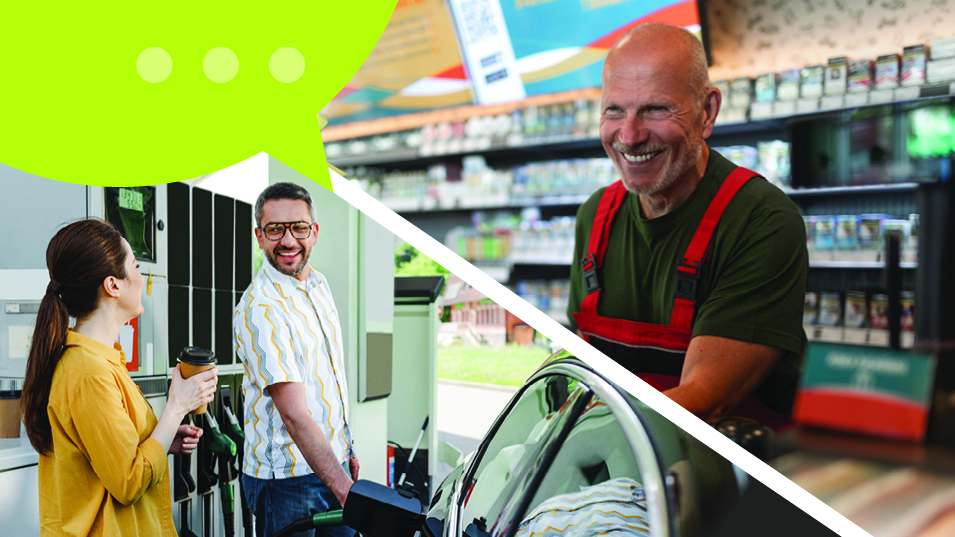
As advances in AI and technology have created opportunities for efficiencies within the store, how can those be applied to the labor force, considering that wages and benefits are the top expense item? The better question is: Should it? More consumers say they like to interact with store employees than say they don’t.
Let’s go beyond simply interacting with employees. Is it possible to create that “Cheers” feeling in your stores, “where everybody knows your name?”
Consumers say it is. They recognize or remember employees at the stores where they most commonly shop—and they say employees remember them, too.
They Like Us!
The great news is that consumers say the industry delivers a solid customer experience. More than four in five consumers (82%) say their experience the last time they were in a convenience store was either excellent or good, up from 81% last year.
Thankfully, just 1% said their experience was poor. While it’s good to see such high satisfaction, it’s also another reminder that customers have many different options—and the small percentage who rated their experience as poor might choose not to return to that store again.
Not surprisingly, frequent customers are most likely to say that their experience was excellent or good (90%), compared with only 64% of rare customers (those who shop in c-stores once or twice a month or less). Only 8% of these rare customers say they had excellent service, far lower than the overall average of 22%.
While some consumers’ perceptions could be too hard to change, there may be an opportunity to create and promote some sort of customer service pledge to get them to at least try your store.
.jpg?language=en-US)